Skateboard Font: The Bold Type for Streetwear & Branding
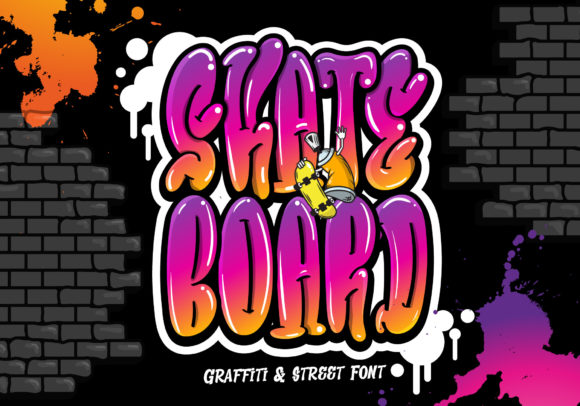
In the dynamic world of graphic design, the right typeface can instantly transport an audience to a specific time, place, or mindset. The Skateboard font achieves this with striking precision, delivering a powerful dose of urban energy and futuristic cool to any project it touches. This graffiti-inspired display typeface isn't just another creative asset; it's a visual shortcut to a specific visual design language that speaks volumes about attitude, movement, and contemporary culture.
Understanding the Skateboard Aesthetic
At its core, Skateboard is an awesome, graffiti-styled display font that has a futuristic, street art vibe. Its letterforms are crafted with the dynamic angles and fluid lines reminiscent of skate culture and urban art, making it inherently attention-grabbing. This font is designed for impact, not for body copy, making it ideal for headlines, logos, and key messaging where immediate visual recognition is crucial. For designers exploring design trends, it represents a modern aesthetic that blends rebellious energy with clean, digital precision.
Practical Applications Across Design Disciplines
The versatility of the Skateboard font allows it to elevate numerous creative projects, seamlessly integrating into diverse branding and digital marketing strategies. Its bold character makes it particularly effective for designs that require a strong, youthful, and energetic presence.
- Brand Identity & Logo Design: Perfect for brands in the action sports, streetwear, music, or tech sectors aiming to establish a bold, edgy identity. It can form the cornerstone of a memorable logo that stands out in competitive markets.
- Marketing & Advertising: Use it on posters, digital ads, and promotional materials to create immediate visual hooks. Its style naturally supports campaigns focused on launches, events, or limited editions.
- Apparel & Merchandise: As noted, this font is suitable for designs such as t-shirts, sportswear, and clothing. It translates exceptionally well to print, ensuring your apparel graphics maintain their crisp, impactful aesthetic.
- Social Media & Web Design: Capture scrolling attention with bold headers for social media graphics, hero sections on websites, or impactful UI elements in apps. It helps create a strong visual hierarchy and enhances user experience through engaging typography.
- Editorial & Packaging: Inject energy into magazine layouts, book covers, or product packaging, especially for goods targeting a younger, style-conscious demographic. It adds an instant layer of contemporary cool.
Integrating Bold Typography Into Your Design Workflow
While a powerful asset like Skateboard can inspire, its effective use requires thoughtful composition and consideration of broader design principles. Here are key tips for leveraging this and similar fonts:
- Prioritize Readability & Context: Display fonts are for emphasis. Ensure the primary message remains clear. Test its legibility at various sizes, especially for web design and UI design where screen clarity is paramount.
- Build a Cohesive System: Pair it with a clean, neutral sans-serif for body text to create balance. This maintains professional presentation while allowing the display font to shine without overwhelming the viewer.
- Align with Audience and Goal: Does the font's vibe match your brand's voice and your audience's expectations? Its street art roots might be perfect for a youthful brand but could clash with a luxury or corporate identity seeking traditional elegance.
- Consider Scalability and Flexibility: Evaluate how it performs in black and white versus color, and across different media—from a small favicon to a large banner. Good creative assets maintain their integrity across applications.
Ultimately, the choice of typography is a fundamental pillar of effective visual communication. A font like Skateboard is more than a stylistic choice; it's a strategic tool that, when used judiciously, can significantly strengthen brand recognition, inject personality into communications, and create a more immersive and engaging experience for the audience. By pairing such dynamic typefaces with a clear understanding of design goals and audience needs, creators can craft visual narratives that are not only aesthetically compelling but also deeply resonant and successful.